

When Support Doesn’t Feel Like Support - Why Matching Matters
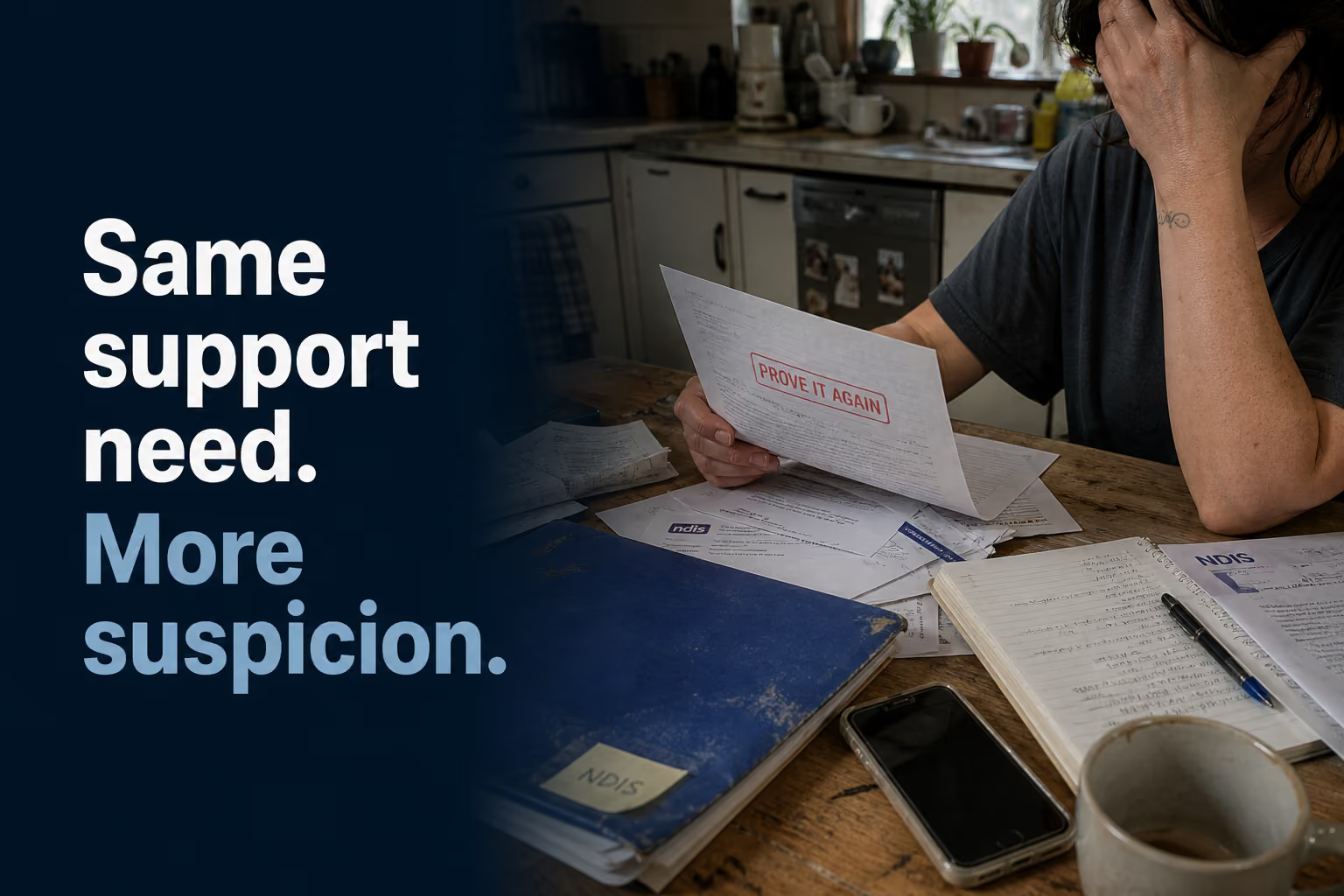
If you’ve ever had “support” that left you feeling more drained than helped, you’re not alone. In the NDIS, hours and funding are often prioritised over the question that matters most: does this worker actually fit me? Not just on paper, but in how safe, respected and understood you feel day to day.
When “Any Worker Will Do” Backfires
The unspoken motto can be “someone’s better than no one.” But a poor match can quietly push people away from services altogether.
We’ve heard from participants who:
- Stop booking shifts because the worker is glued to their phone
- Mask or shut down when the worker talks mostly about themselves
- Feel routines and sensory needs are dismissed
- Get left hanging after late arrivals or last‑minute cancellations
This isn’t about “liking” someone. It’s about nervous system safety — the calm needed to engage and stay present. When the fit is wrong, support can feel like surveillance, babysitting, or another system to endure.
Why Fit Shapes Outcomes
For people living with trauma, neurodivergence or long‑term mental health experiences, trust isn’t automatic. It builds slowly, and more easily when a worker understands your rhythms — not just what’s written in your plan.
A good match can:
- Offer choice in the small things (start times, seating, communication)
- Respect energy shifts (giving space on shutdown days, showing up reliably on high‑energy ones)
- See strengths first, not just “goals” or “deficits”
Research backs this: the relationship itself is often the biggest predictor of whether support feels effective.
The Lived Experience Lens
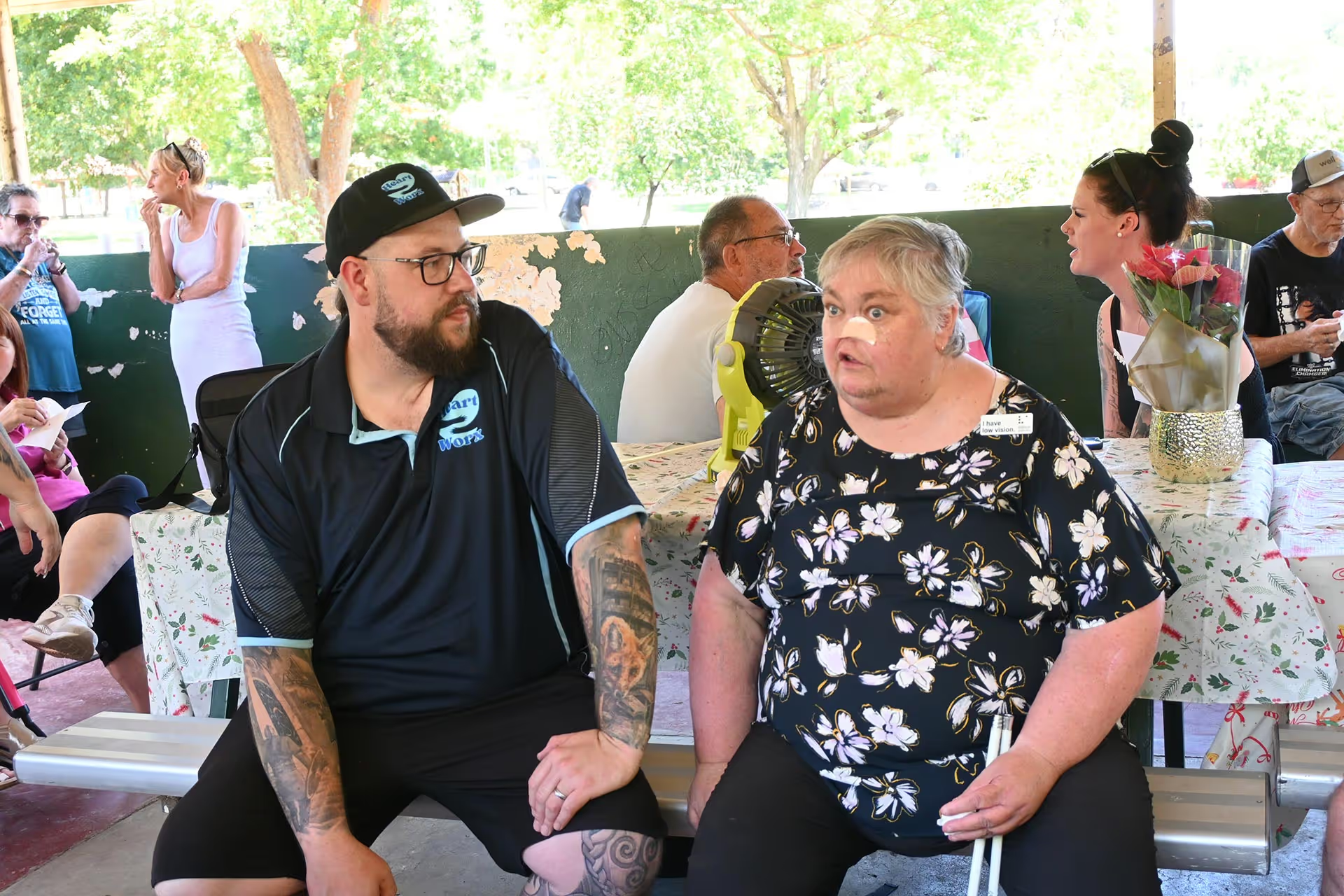
At Heart Worx, this isn’t theory. We’ve been on the other side of mismatched support — the ones making our worker comfortable during our paid time, or giving up on help because explaining ourselves felt too exhausting.
That’s why matching here isn’t an afterthought. It’s built into how we work: during intake, in team discussions, and whenever things shift.
We consider:
- Shared or complementary interests that make connection easier
- Communication styles that match how a participant prefers to engage
- Identity factors when relevant, like cultural background, lived experience or neurodivergence
- Boundaries, so workers stay focused on the participant, not themselves
What You Can Do as a Participant
If support feels “off,” even if the worker is nice, you have the right to ask for change. Under the NDIS, participants are entitled to safe, respectful and effective support.
You can:
- Tell your provider or coordinator what’s not working — no justification needed
- Ask for workers with certain skills, interests or lived experience
- Request a trial period before committing to ongoing shifts
You don’t have to settle for support that leaves you tired, tense or unseen.
Matching Is Ongoing, Not One‑Off
People change. Needs change. Energy changes. A match that worked six months ago might not work now. That’s not failure — that’s human.
The best providers check in about this regularly. The worst ignore it and hope you won’t make a fuss.
At Heart Worx, we’d rather have an honest conversation than watch someone quietly disengage. When support fits, it doesn’t just meet your needs — it makes you want to show up.
Final thought:
Support should never feel like something you have to recover from. Matching isn’t “picky” — it’s how safety is built. And safety is what makes trust, growth and independence possible. Choosing support that fits you is one of the most powerful steps toward a life that feels like yours.