Our story
Why we built Heart Worx, and what guides our support in Tamworth and surrounds.

The Heart Worx story
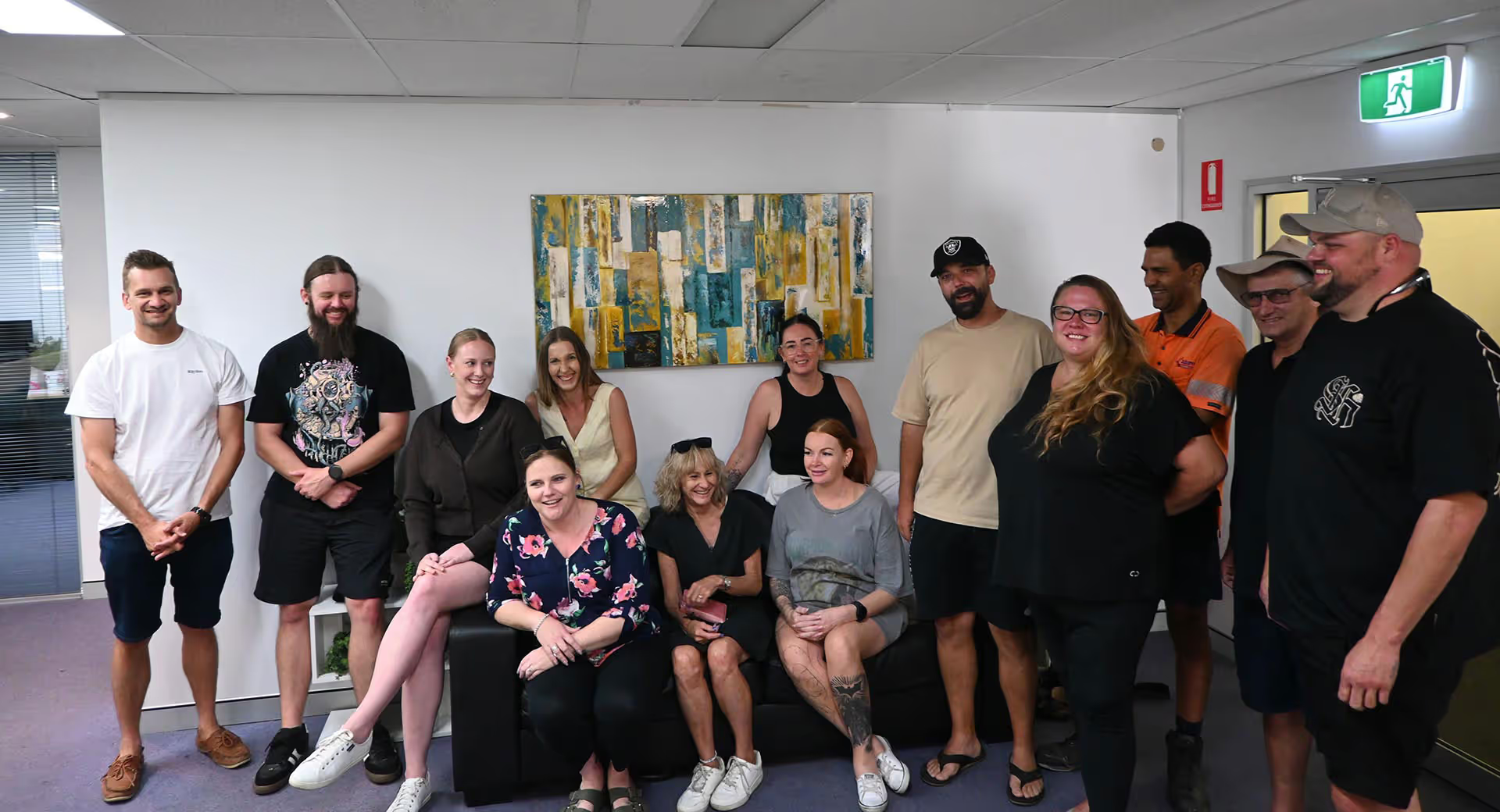
Heart Worx is lived-experience-led and shaped by participant voice. Our work brings together personal experience of mental distress, family caring and professional disability support.
We know how much effort it can take to get support working in everyday life. That experience informs how we listen and work, but it does not make our story the same as yours. The person with a disability is the expert in their own story.
Why we exist
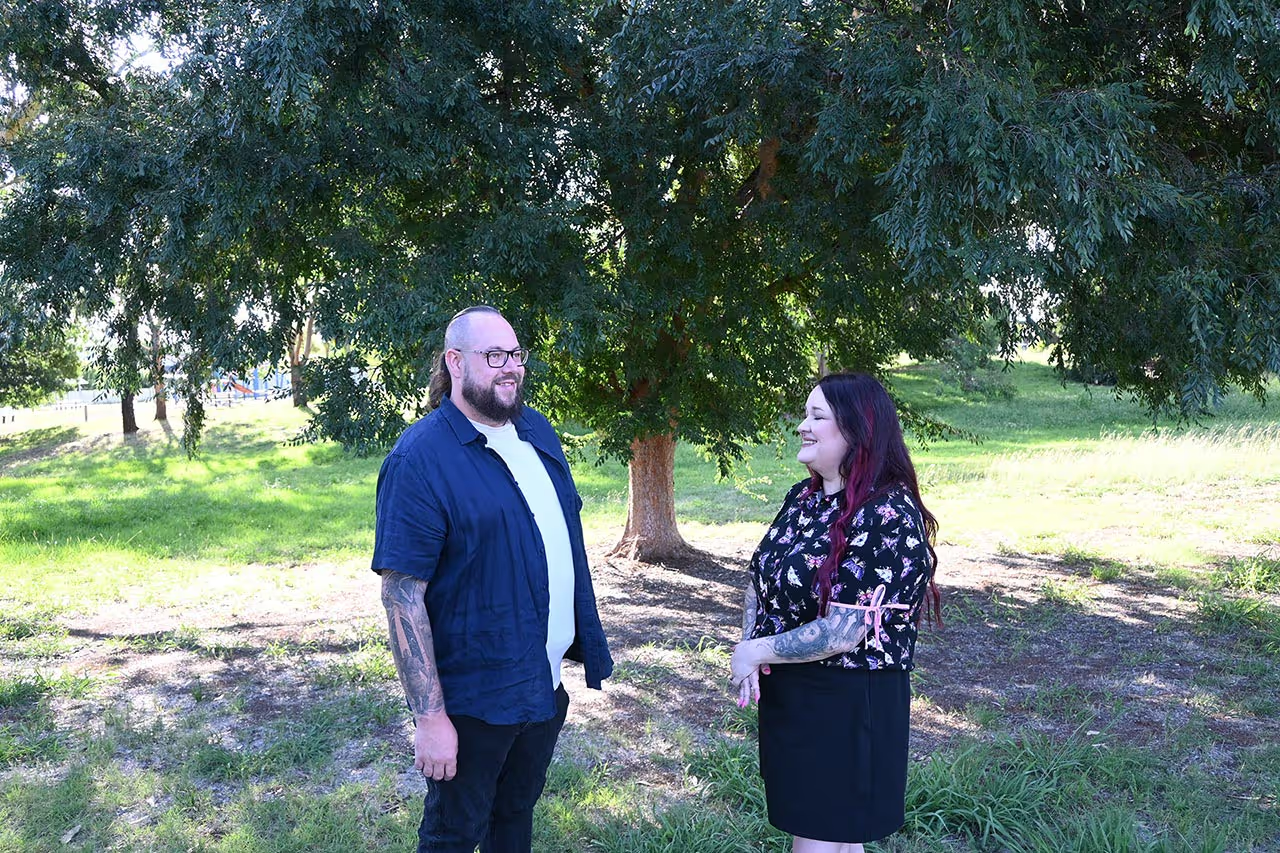
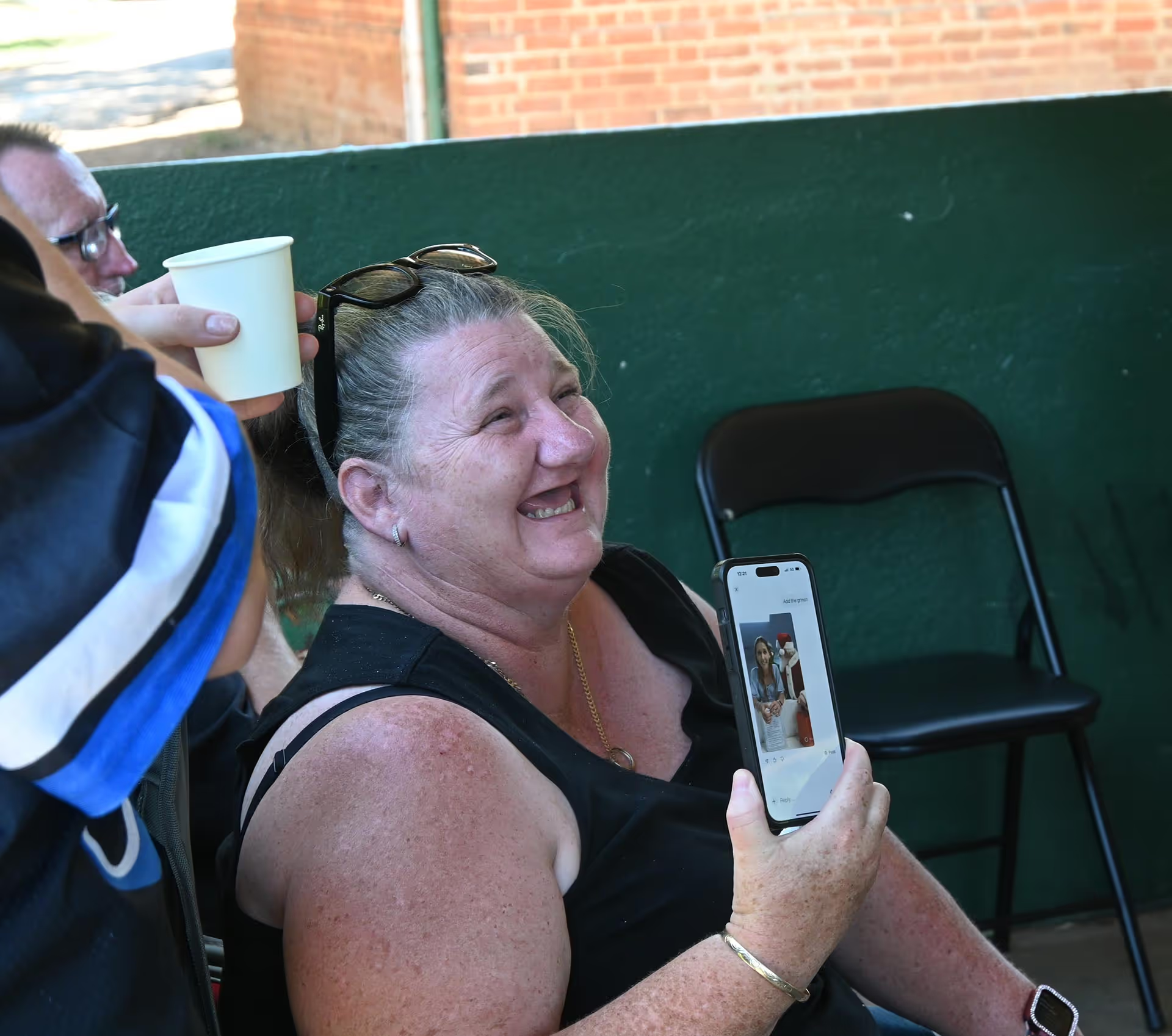
We’ve been carers, advocates and family members alongside people left outside systems that were meant to help. We’ve seen the harm when support is missing and the difference it can make when someone listens and follows through.
We built Heart Worx to make support clearer, more consistent and more accountable to the person receiving it. That includes making room for the relationships, interests and community connections that matter to you.
Not here to replace community - but to help begin it.
What guides us
Dependability
We keep agreed actions visible and tell you when something changes.
Choice in everyday decisions
We explain options and make room for you to decide, including when you need more time or want to do something differently.
Who supports you
The support itself has to make sense first. We also give you information about workers before you decide who you may want to meet.
Room to adjust
Some days need more space, less talking or a different plan. We would rather adjust than push through for the sake of looking productive.
Professionalism does not mean being stiff. For us it means clear communication, respecting boundaries and knowing when to ask, pause or get support.
How this shapes our practice
Lived expertise
Turning personal experience into structured, ethical practice.
Trauma-informed practice
We pay attention to pace, choice and what makes support easier or harder to use.
Neuro-affirming practice
Respecting different ways of processing, communicating, and finding rhythm.
Recovery orientation
Your priorities guide the work, including protecting what helps now and exploring what comes next.
Lived experience in practice
Experience shapes how we listen, match and support. It also calls for reflection, boundaries and care. A worker’s experience should help them understand what you need, not make you responsible for their story.
Insight doesn’t need exposure - disclosure is always consent-led.
In practice, that means noticing when support is adding pressure, being curious about what is happening and making room to adjust. Recovery can include slow periods, setbacks and changes of direction.
Lived experience guidelines
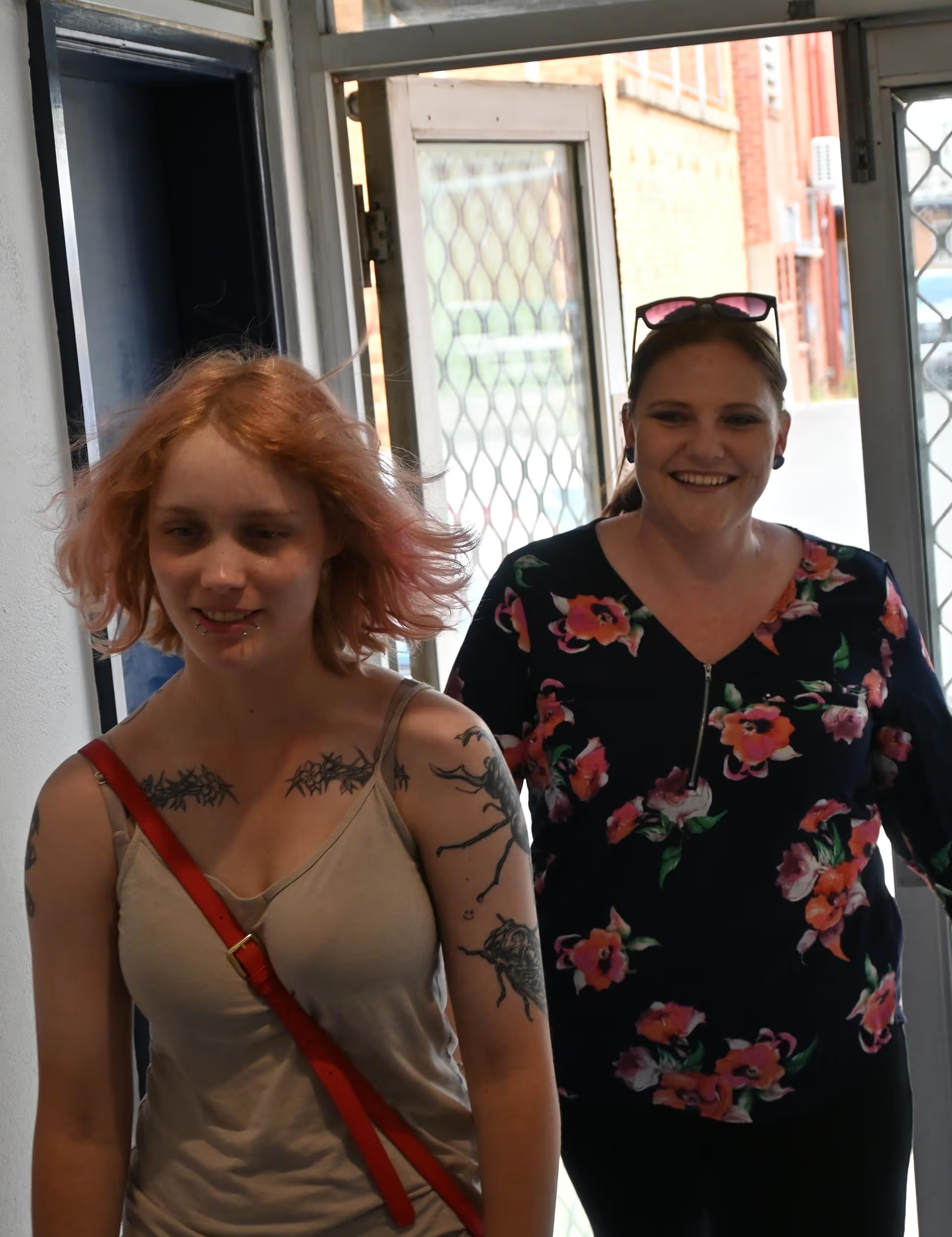
Personal lived experience comes from living with disability or mental distress and navigating support systems yourself. Family and carer experience comes from supporting someone close to you. Both can offer insight, but they are different perspectives. Neither means we know another person’s life better than they do.
People do not have to disclose their personal history to contribute insight. Sharing is consent-led and should serve the person receiving support, not place pressure on them to listen or respond.
We support workers through onboarding, reflective practice, supervision and clear role boundaries. Policies, training and professional judgement sit alongside lived experience; they are not replaced by it.
We bring together lived perspectives, professional learning and reflection on day-to-day practice. Our work draws on experience of psychosocial disability, caring and recovery, alongside learning about trauma-informed practice and peer work ethics.
Those perspectives inform how we work. They do not replace required training, professional judgement or each participant’s own knowledge of their life.
We consider how a worker and participant may fit, notice when support is adding pressure, and make room for people to communicate or participate differently. Recovery Coaching can include slow periods and setbacks, as well as new goals.
Workers need room to reflect on the emotional demands of the work and to ask for support. We value the perspectives of peer workers, neurodivergent professionals, carers and people with personal experience of recovery, alongside professional learning and skill.
Using lived experience well requires reflection, skill, and support.
Meet the founders
Heart Worx was built by Jess and Riley Schafer-Wilson - partners in life and in practice. Both bring experience of family caring and advocacy, alongside years of working in disability support.
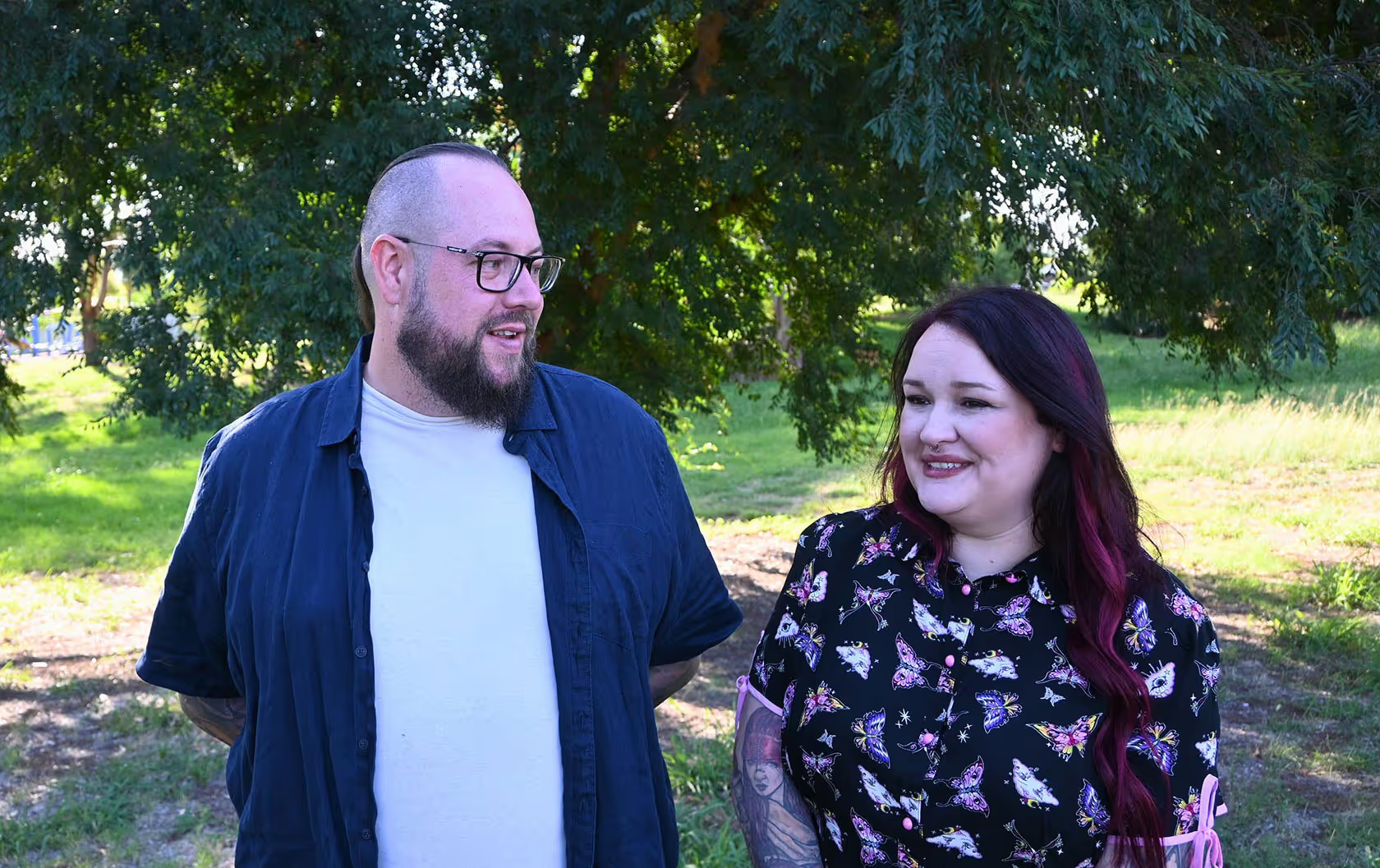
Riley | Director
Riley brings a carer-lived perspective and over 15 years in frontline and leadership roles, including Support Worker, Group Home Manager, Local Area Coordinator and Local Area Coordination Team Leader. He focuses on supporting workers and making consistent practice felt in everyday support.
Jess | Practice Lead
Jess brings family care and mental health lived experience, alongside professional experience as a Support Worker, Support Coordinator and Psychosocial Recovery Coach. She leads practice and systems design, with a focus on trauma-informed work, participant voice and how support works in everyday life.
We built Heart Worx to fight for fairness and uphold participants’ rights. That includes listening when something is not working and supporting people to have their needs heard.
Get to know Heart Worx
Meet the people behind the work or explore what our services can help with.