Direct support in Tamworth
One-to-one disability support for everyday life, at home and in the community. We work around your routines, communication style and interests, with support that respects your choices.


Support for everyday life
Support might mean cooking together, attending an appointment, practising a routine or simply having someone alongside you on a difficult day. Goals still matter, but so do consistency, pacing and getting through ordinary life.
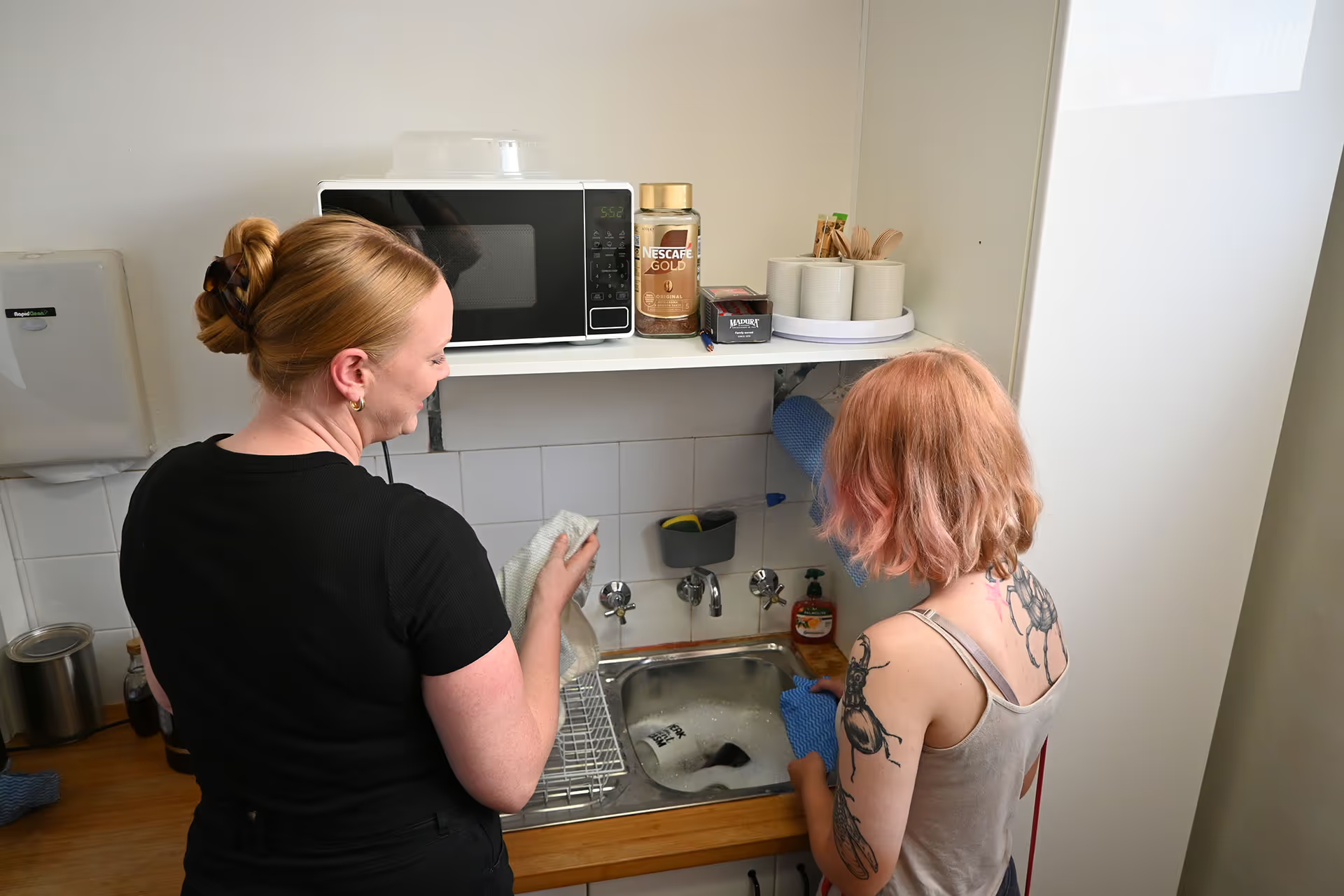
What support can look like
Daily living
Cooking a meal, getting groceries, or running errands together.
Looking after yourself
Supporting you to eat, rest, and care for yourself in ways that work for your body and brain.
Company on difficult days
Someone alongside you when anxiety is high or a task feels harder to manage.
Community access
Getting out, attending appointments or spending time in places and activities that interest you, at your pace.
Routines
Keeping track of appointments and practising routines that fit your life.
Medication reminders
Where it is agreed and documented, workers can provide reminders or prompts while you manage and take your own medication. These prompts do not include clinical assessment, changing doses or giving treatment advice.
Trying something new
Practising a skill or exploring an interest with support, at a pace that works for you.
These everyday supports matter as much as the bigger goals.

Matching and supported workers
A possible match still needs to make sense for the support itself - the skills required, how you communicate, reliability and current availability. Worker profiles also show the kinds of support someone especially enjoys and a bit about who they are outside work, so you have more information before deciding who you would like to meet.
Workers receive role-specific onboarding, supervision and practical guidance that connects policy with real support situations.
Our experience in psychosocial disability and neurodivergence informs how we approach support. We talk with you about expectations, boundaries and what to do when something isn’t working.
Ask about direct support
Tell us what support you need and what helps a worker work well with you. We’ll talk with you about possible fit and current availability before you decide whether to proceed.